Navigating Residential Plumbing Across Fort Smith's River Valley Landscape
As Arkansas's second-largest municipality, Fort Smith sits prominently on the Arkansas River along the Oklahoma border. The city combines historic residential architecture in the Belle Grove Historic District, established mid-century neighborhoods across the Southside and Massard areas, and newer residential developments expanding near Chaffee Crossing. Each neighborhood presents distinct plumbing demands, ranging from aging cast-iron waste stacks and galvanized lines to modern PVC and PEX distribution networks.
Municipal water distribution and sanitary sewer collection are operated by the City of Fort Smith Utilities Department, which manages extensive water transmission lines from Lake Fort Smith and Lee Creek, along with public wastewater treatment facilities. City crews maintain street collection mains and public lift stations; however, residential property owners hold sole legal and operational responsibility for the private building drain, plumbing fixtures, and private sewer lateral extending from the home foundation to the street main connection.
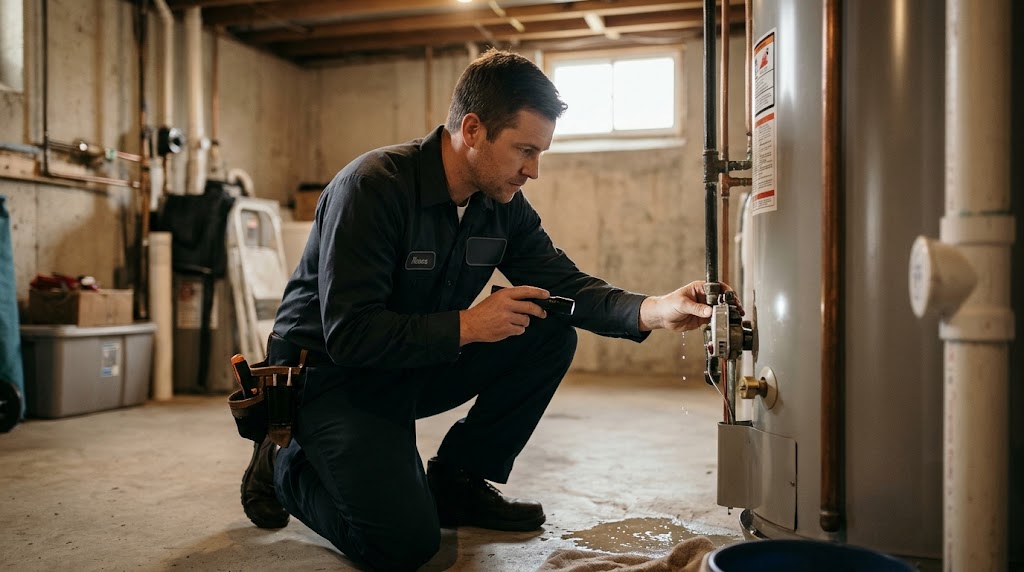
Our statewide network connects you with vetted local plumbing contractors equipped to diagnose stubborn drain clogs, restore domestic water heating systems, and conduct comprehensive sewer camera inspections with factual diagnostic precision.
Key Local Infrastructure Facts for Fort Smith
- Municipal Utility Distinction: The City of Fort Smith Utilities Department operates municipal water mains and sanitary collection lines. Blockages occurring within private interior lines or the private sewer lateral are strictly the property owner's responsibility.
- Alluvial Soil & Ground Movement: Soil settlement and shifting clay strata along the Arkansas River Valley frequently place stress on older clay or cast-iron sewer lateral joints, causing misalignment and root intrusion.
- Historic Neighborhood Plumbing: Belle Grove and downtown Fort Smith properties often contain historic plumbing configurations that require careful motorized augering rather than harsh corrosive chemicals.